Capital Cascade Trail/Meridian Amphitheater - Tallahassee, FL
Challenge
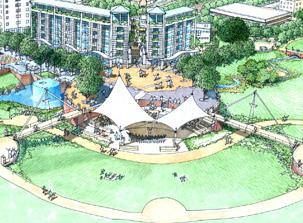
A revitalization project began in 2011 on a 24-acre property in downtown Tallahassee. Construction of the new $40 million Cascade Park would include water features and green space, three miles of biking and walking trails, an outdoor amphitheater, and two pedestrian bridges to connect trails to the raised level of an observation patio at the back of the amphitheater. Two soil borings completed for the amphitheater encountered loose to medium dense sands and stiff clays within the upper 25 to 38 feet of the profile. Hard clay and limestone was then sampled to the bottoms of the borings at 60 feet. With marginal soil strength conditions in the upper part of the profile, deep foundations would be required to resist high compression loads. Deep foundations would also be used to resist uplift loads and prevent grossly over-sizing the foundations.
Solution
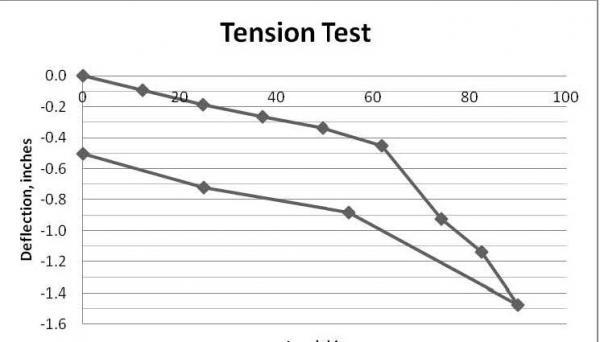
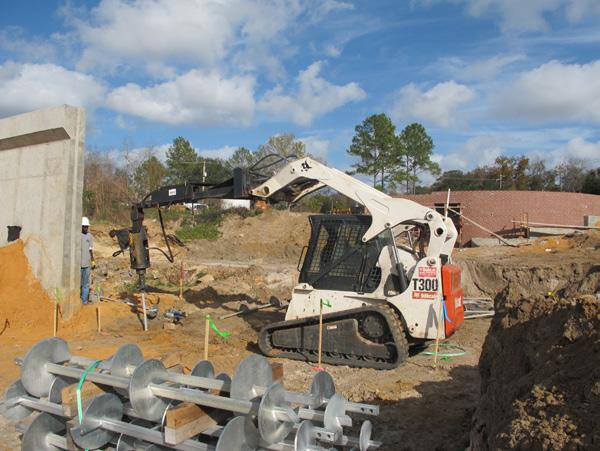
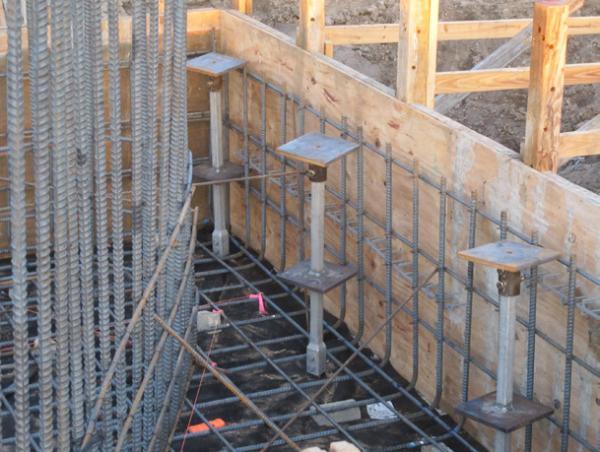
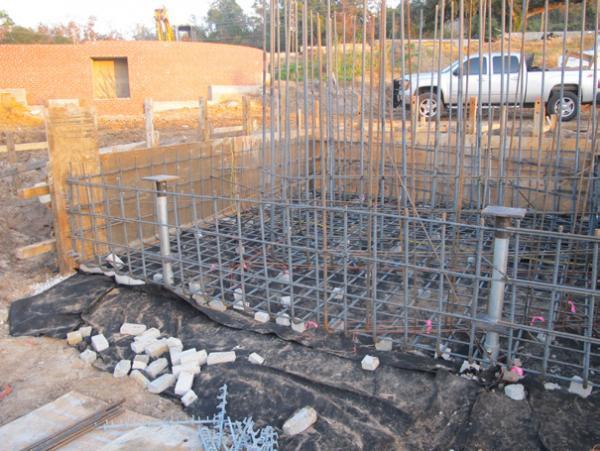
Helical piles were selected for the project due to the low relative cost compared to other deep foundation options, the speed at which helical piles could be installed, and the ability to easily add extensions to achieve bearing depths. The foundation design included six, four-foot thick pile caps measuring 12 or 18 feet wide by 18 feet long. Four tension piles were located on one end of each pile cap and two compression piles were located on the other end. The tension pile configuration consisted of the Model 175 (1.75-inch) round corner square bar with a 10”-12”-14” triple-helix lead section followed by five additional 14” helix plates on extensions to support a design working load of 55 kips. The tension piles were advanced to depths to achieve installation torques between 10,000 and 11,000 ft-lb. The compression pile configuration consisted of the Model 350 (3.5-inch OD by 0.313-inch wall) hollow round shaft with an 8”-10” double-helix lead section to support a design working load of 100 kips. The compression piles were advanced to refusal on or within the limestone bedrock. With the piles taken to their respective mechanical allowable ratings, load tests were required to verify that the design capacity could be achieved. The Model 175 tension pile was load-tested to 90 kips and the Model 350 compression pile was load-tested to 150 kips. Measured deflections at design working loads were about 0.4-inch and 0.6-inch for the tension and compression piles, respectively. Creep movement of the piles at the maximum test loads were within the specified limits. The production piles were installed to depths ranging from 21 to 63 feet. The 36 piles were installed in two days.
Project Summary
Products Installed: (24) FSI Model 175 Helical Piles, 10”-12”-14” Lead Section, Five 14” Plates on Extensions, Design Working Load of 55 kips (Tension); (12) FSI Model 350 Helical Piles, 8”-10” Lead Section, Design Working Load of 100 kips (Compression); Piles Installed to Depths of 21 to 63 feet